Understanding the Basics of Poker
To play poker like a pro, it is essential to have a strong grasp of the game’s fundamentals. Poker is not just about luck; it combines strategic thinking, psychological insight, and mathematical skills. Knowing the rules, hand rankings, and basic odds can significantly enhance your gameplay. Familiarizing yourself with terms such as «bluffing,» «pot odds,» and «position» is crucial in crafting your strategy. Exploring options like neosurf casino can provide insights into new strategies, and a solid foundation allows you to develop more advanced techniques later on, making you a more formidable opponent at the table.
Moreover, practicing various poker variants, such as Texas Hold’em or Omaha, can deepen your understanding. Each version offers unique challenges and strategic nuances. Engaging in different formats will aid in honing your decision-making skills under varying circumstances. Additionally, playing with diverse opponents will expose you to a range of styles and tactics, further enriching your experience. Consistent practice is vital for internalizing concepts and improving your overall game, transforming you from a novice into a skilled player.
As you continue your journey in poker, remember to focus on patience and discipline. It’s easy to get caught up in excitement or frustration, leading to impulsive decisions that can hinder your success. Learning to recognize when to fold or wait for a better hand is critical in elevating your game. By cultivating these foundational skills, you’re laying the groundwork for more sophisticated strategies that can help you navigate complex situations and outplay your opponents effectively.
Mastering the Art of Bluffing
Bluffing is one of the most intricate yet powerful tools in a poker player’s arsenal. The essence of bluffing lies in convincing your opponents that you possess a stronger hand than you actually do. This psychological aspect demands sharp observational skills and a deep understanding of your opponents’ behaviors. When executed properly, a well-timed bluff can flip the odds in your favor, securing you valuable pots without the need for the best cards. Effective bluffing is about creating a compelling narrative that leads others to doubt their own hands.
To enhance your bluffing skills, practice identifying the right moments to implement this strategy. An ideal scenario is when you perceive that your opponents are weak or passive. For instance, if you notice an opponent hesitating to raise, it may indicate uncertainty about their hand strength. Additionally, pay attention to their betting patterns, as they can reveal valuable insights into their confidence. Remember, the key to successful bluffing is not just the act itself but the storytelling behind it – creating a narrative through your actions that aligns with the hand you want them to believe you hold.
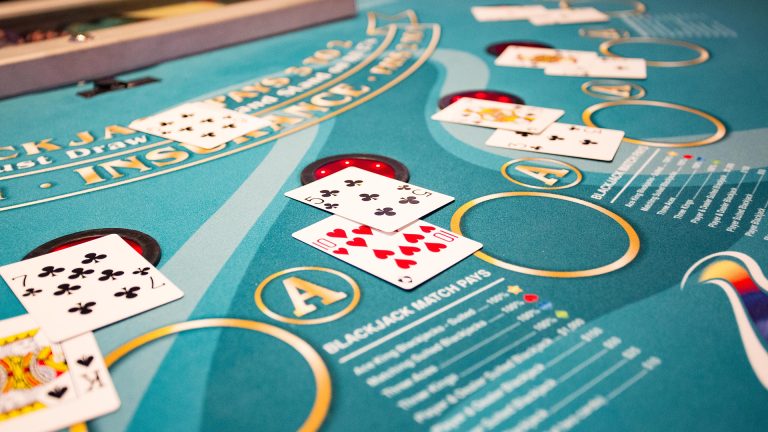
However, bluffing should not be overused, as it can lead to predictable behavior, allowing opponents to catch on. Instead, use it sparingly and in conjunction with your overall strategy. Bluffing works best when it is unexpected or when the context of the game supports it. Finding the balance between solid play and strategic deception is crucial for playing poker like a professional, enhancing both your gameplay and your confidence at the table while keeping your opponents guessing.
Reading Your Opponents
One of the hallmarks of elite poker players is their ability to read opponents effectively. This skill goes beyond merely observing the cards on the table; it encompasses understanding body language, betting tendencies, and emotional cues. Every player exhibits unique patterns, and a keen observer can adapt their strategy based on these traits. For instance, if a player suddenly becomes overly aggressive after previously playing conservatively, it may indicate that they have a strong hand. Being mindful of these shifts can be a game-changer in your decision-making process.
To develop your reading skills, engage in regular practice sessions to sharpen your observation techniques. For example, consider how a player behaves when they have a strong hand versus a weak one. Do they appear more relaxed or anxious? Additionally, analyzing betting patterns can reveal whether an opponent is bluffing or holding a solid hand. By correlating physical tells with betting behavior, you not only enhance your chances of making informed decisions but also instill doubt in your opponents about their own hand accuracy, thereby gaining an edge in the game.
Moreover, recognizing the importance of emotional intelligence can heighten your gameplay. Professional players often utilize psychological strategies to unsettle opponents, putting pressure on them to make mistakes. By maintaining focus and emotional control, you position yourself advantageously while potentially exploiting others’ weaknesses. Learning to read your opponents intricately is a vital strategy in achieving success in poker, ultimately allowing you to manipulate the dynamics of the game to your benefit and improve your winning potential.
Bankroll Management and Strategic Play
Effective bankroll management is an essential aspect of playing poker at a professional level. Establishing a clear budget for your poker activities prevents emotional decisions and helps you maintain long-term profitability. A well-planned bankroll allows players to absorb fluctuations in their game, ensuring that they can weather losing streaks without devastating consequences. Setting aside a specific amount dedicated solely to poker ensures that everyday finances remain unaffected by the highs and lows of the game, allowing you to focus on improving your skills rather than worrying about money.

In addition to managing your bankroll, it’s crucial to adopt a strategic play style that aligns with your skill level and the game’s context. For instance, if you’re in a cash game versus a tournament, your approach should differ accordingly. In cash games, players may employ more conservative strategies, while tournaments often require more aggressive plays as the blinds increase. Understanding these nuances can significantly influence your overall performance and help you adapt to the varied dynamics of each poker setting.
Ultimately, the interplay between disciplined bankroll management and strategic play fosters a sustainable and successful poker career. Continuously evaluate your strategies and adjust them based on your experiences, opponents, and the evolving dynamics of the game. The key lies in finding a balance that maximizes your winning potential while minimizing risks associated with the inherent volatility of poker. This disciplined approach not only protects your finances but also enhances your confidence as you grow into a more skilled player.
Find Your Poker Community Online
Joining a vibrant online poker community can significantly enhance your playing experience and provide valuable resources for growth. Platforms dedicated to poker not only offer opportunities for games and tournaments but also feature forums and discussion groups where players can exchange strategies and insights. Engaging with fellow enthusiasts helps solidify your understanding of the game and exposes you to diverse perspectives that can refine your skills. Being part of this community allows you to learn from others who have faced similar challenges and triumphs in their poker journey.
Online communities also provide access to educational content, such as tutorials and expert articles. Many platforms host webinars or live streams where seasoned players share their experiences and tips. Watching and learning from those who have achieved success can offer fresh strategies and methods that you can integrate into your own gameplay. Additionally, participating in friendly discussions can motivate you to stay committed to continuous improvement, helping you to refine your techniques and adapt to changing trends in the poker world.
Furthermore, being part of a poker community fosters a sense of camaraderie that uplifts your gaming spirit. Whether you are sharing victories or discussing challenges, connecting with like-minded individuals creates a supportive environment that encourages growth. Remember, poker is as much about social interaction as it is about gameplay; immersing yourself in an active poker community can propel your development and enhance your overall enjoyment of the game, making the journey more rewarding and enriching.